How to Design a Hotel Room That Photographs Well
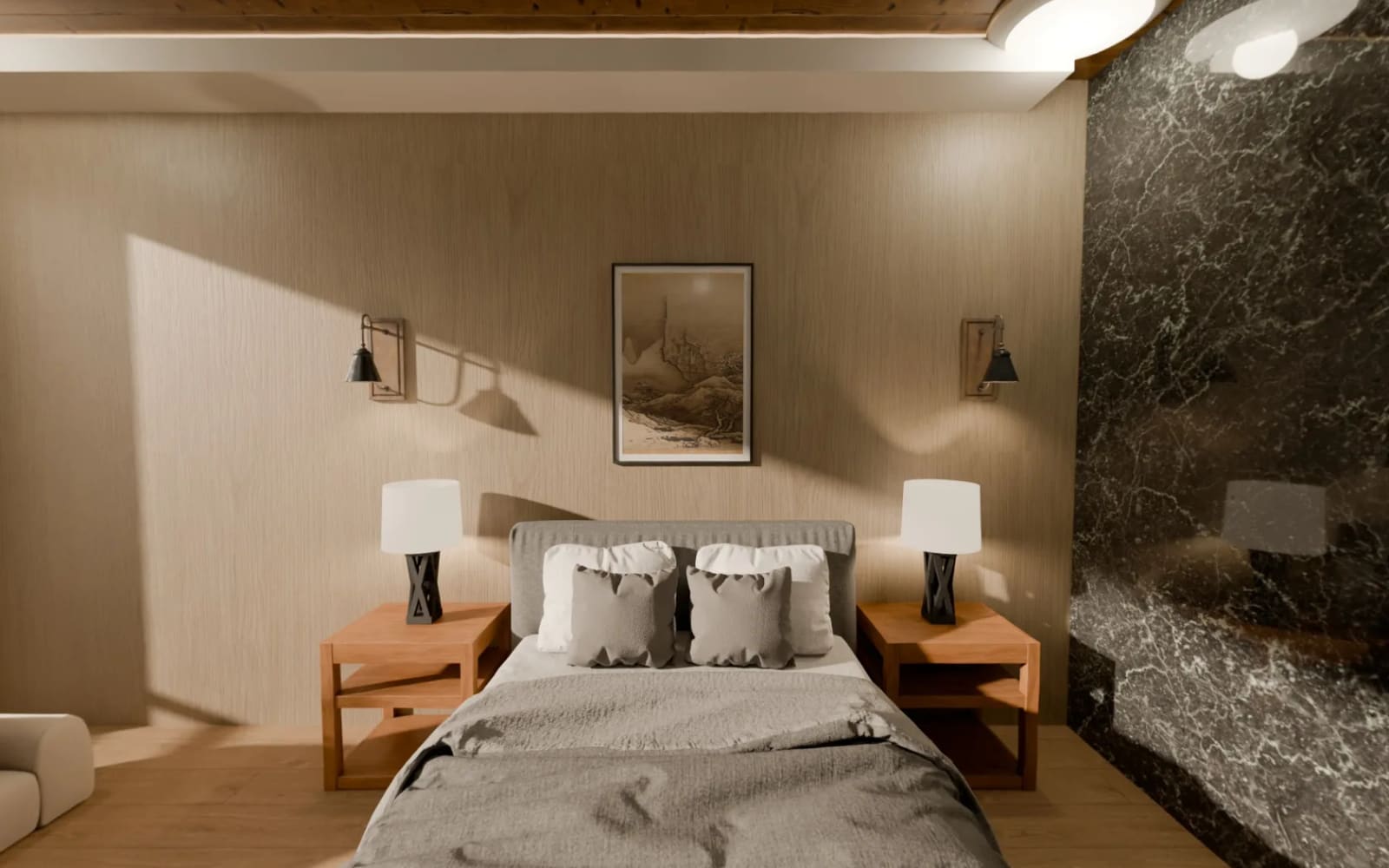
Guests decide whether to book a room from a handful of photos, long before they see it in person. A room that "photographs well" isn't an accident — it comes from a handful of deliberate choices in layout, light, and material that hold up under a camera lens, not just to the naked eye.
Start with light, not furniture
Cameras are far less forgiving of poor lighting than the human eye. Before choosing a single piece of furniture, map where natural light enters the room and at what time of day it's strongest. Rooms that photograph best are usually shot within two hours of sunrise or sunset, when light is warm and directional rather than flat overhead glare.
If a room only gets harsh midday sun, plan sheer curtains that diffuse it rather than blackout drapes that force every shoot into artificial light.
Furniture scale matters more than furniture cost
A single oversized piece — an armchair, a headboard — reads as luxurious in photos even when the rest of the room is modest. Conversely, a room filled with many small, cluttered pieces photographs as busy and cramped, regardless of the actual square footage.
A simple rule of thumb:
- One statement piece per zone (bed, seating, desk)
- Negative space between furniture groups, not just around the room's edges
- Matching wood tones or metal finishes across pieces in the same sightline
Test the shot before you commit
The cheapest mistake to avoid is discovering a bad camera angle after the room is built and furnished.
This is exactly the kind of thing worth testing digitally first. Tools like Flur let hospitality teams build a floor plan into a furnished 3D space and preview the exact points of view guests will see in the finished panorama tour — before a single chair is ordered.
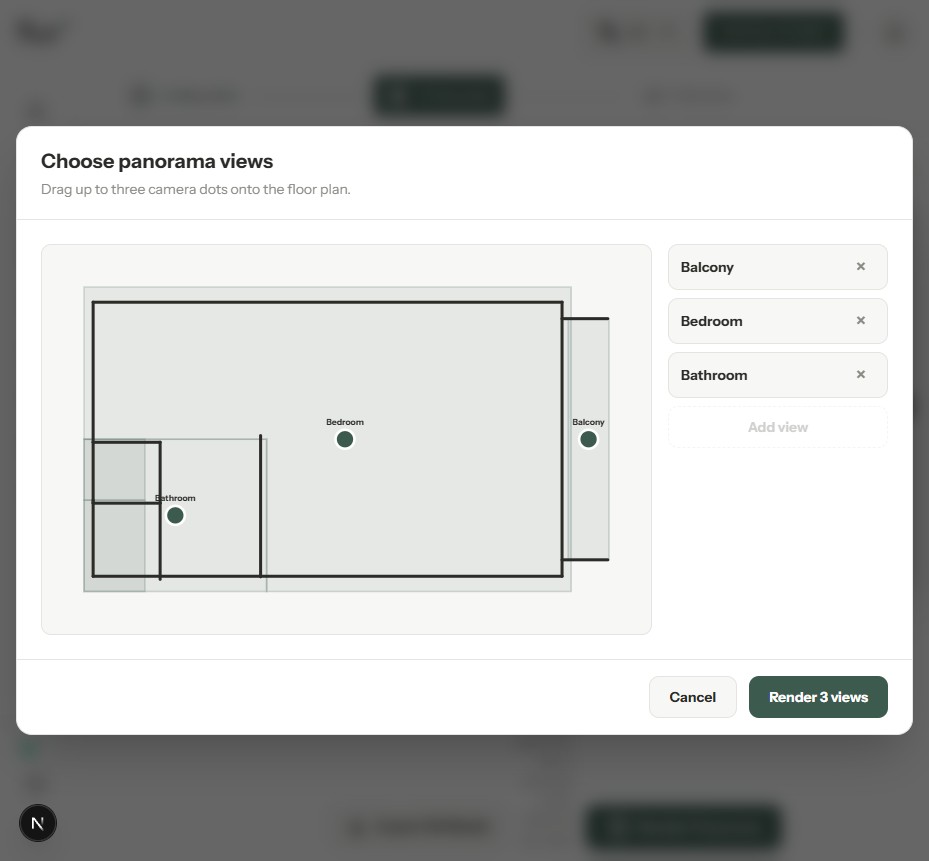
A quick pre-shoot checklist
- Confirm the "hero angle" — the one shot that will anchor the listing — has no visual clutter in frame.
- Check that the bed or main seating area is the first thing the eye lands on.
- Verify wall art and accessories don't compete with the architectural focal point (a window, a fireplace).
Getting this right once, digitally, saves reshoots and change orders after the room already exists.
Related reading: for the PBR materials and lighting choices that separate a photoreal render from a "CG" one, see what makes a 3D interior stop looking like a game.